How can intellectual property (IP) help bring together innovation resources from around the world, enable broader sharing of innovation outcomes, and foster a world-class open innovation ecosystem? At the recent 15th China Intellectual Property Annual Conference (CIPAC), guests from different countries and regions shared insights from multiple perspectives, including international standards, patent pools and IP licensing, exploring the many ways IP can empower an open innovation ecosystem.
"Chinese companies are playing an increasingly important role in the global IP value chain"
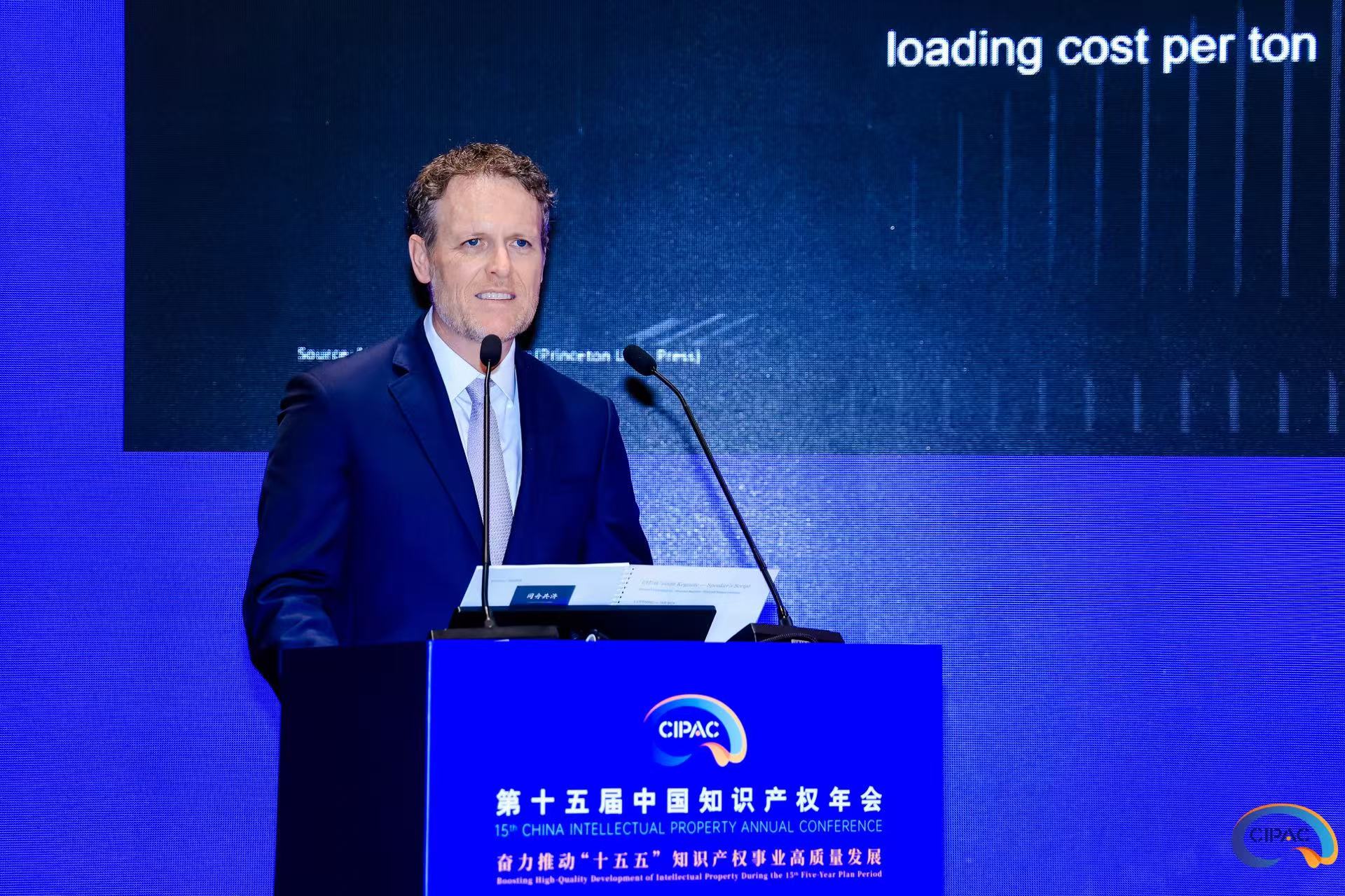
Andrew Inesi
Vice President & Global Head of Policy and Business Affairs, Dolby Laboratories
Sustained innovation is supported by an "invisible infrastructure": international standards developed through open, rules-based and consensus-based processes, together with predictable IP rules and reliable, even-handed enforcement. Fair, reasonable and non-discriminatory (FRAND) licensing commitments help connect these pillars and maintain balance within the system. This infrastructure not only enables technological interoperability, but also supports specialization and allows companies with different business models—including specialist innovators—to participate and contribute their best technologies, helping generate disruptive innovation and new industries.
In recent years, Chinese companies have taken on an increasingly important role in the global IP value chain, evolving from technology implementers to product designers and, increasingly, IP licensors. In video coding, for example, Chinese companies are among the leading contributors to the H.266 VVC standard, and China's IP outbound licensing has continued to grow. China is also playing an increasingly important role in developing governance rules. Over the past two years, the country has introduced a range of important policy measures concerning patent pools, bitstream claims, and the alignment of patent rules and standards. These efforts represent progress toward a more predictable, balanced and open innovation system. All stakeholders should work together to uphold and protect the open, inclusive and consensus-based international standards system. In particular, they should preserve safeguards such as balanced participation, providing an essential foundation for continued innovation and long-term industrial development.
"Patent pools can help bridge the gap between IP and innovation"
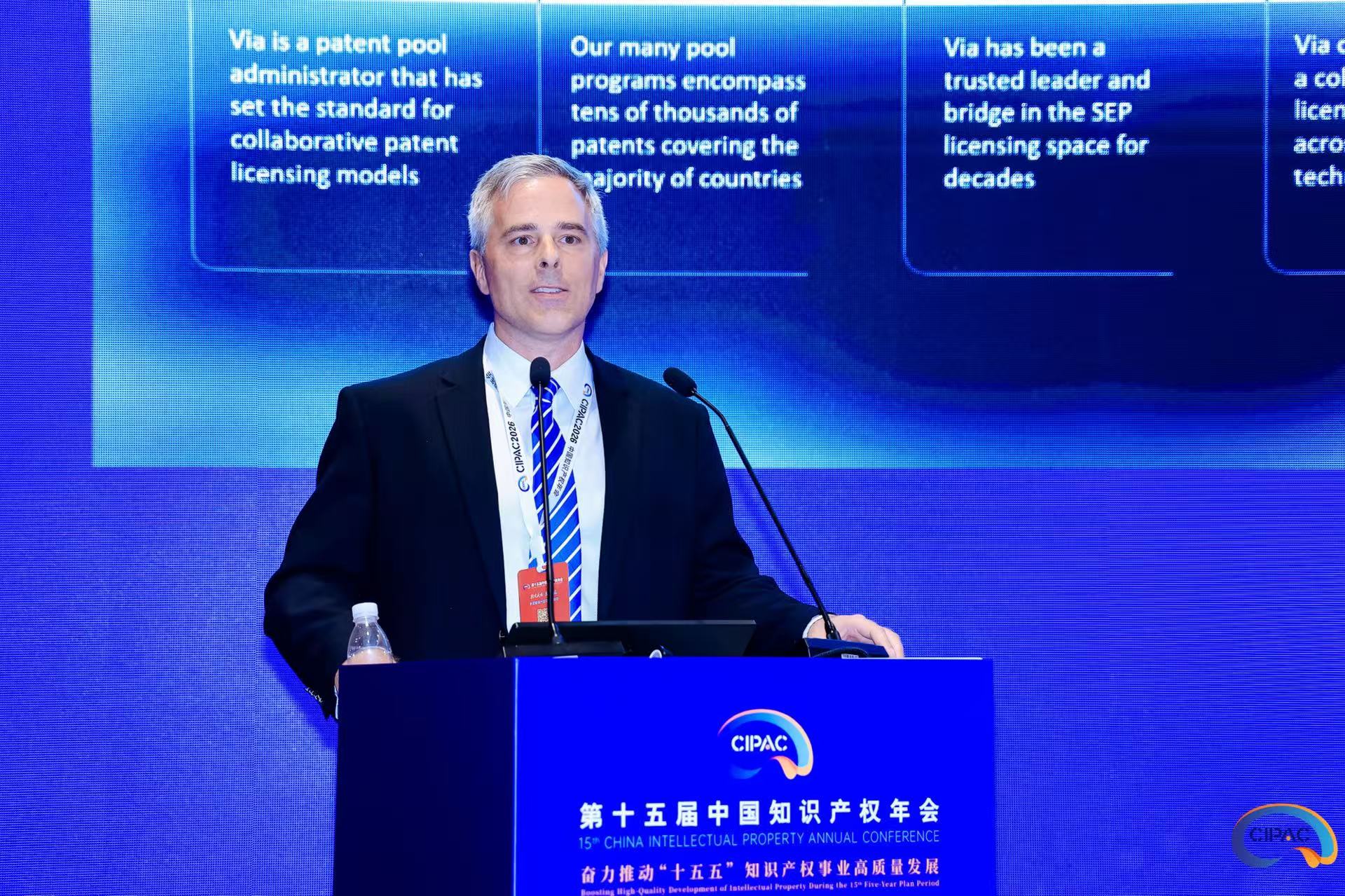
Kevin Mack
President, Via Licensing Alliance
A patent pool, at its core, is a collaborative licensing mechanism. Much like an aggregated licensing model in music streaming, a single license from a patent pool can provide access to rights held by 10 or more patent owners, thereby significantly reducing transaction costs. As technologies become increasingly complex and patent rights become more fragmented, patent pools can bring different elements together, improve efficiency and help bridge the gap between IP and innovation. Another major advantage is that patent pools establish transparent FRAND royalty rates, helping balance the interests of licensors and licensees and accelerating a virtuous cycle of innovation.
In artificial intelligence (AI), some key components require increasingly large amounts of memory, placing significant demands on data center memory capacity. Patent pools could help address these challenges by consolidating fragmented patent rights into more efficient and streamlined licensing solutions. This could simplify licensing processes, reduce patent fragmentation around underlying infrastructure, and help foster a thriving innovation ecosystem for AI. Technological innovation is a global endeavor. Companies holding standard essential patents (SEPs) should actively participate in professional patent pool programs and turn their patent assets into commercial value.
"Chinese companies today are both patent implementers and innovators"
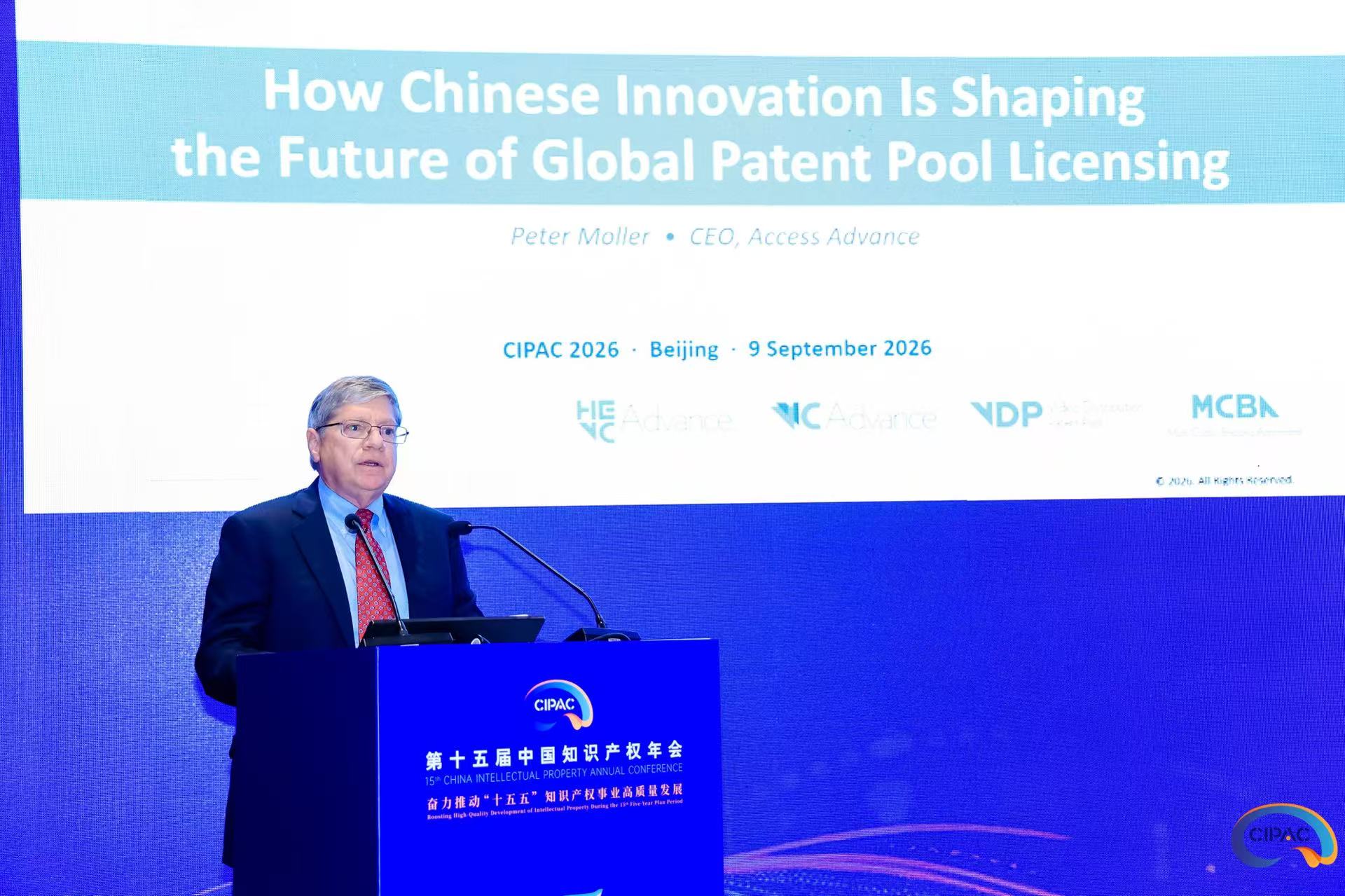
Peter Moller
Chief Executive Officer, Access Advance
Patent pools turn complex patent negotiations into industry collaboration. Chinese companies today have evolved from participating in patent pools as primarily licensees to taking leadership roles as founding licensees and licensors. In 2015, we launched our High Efficiency Video Coding (HEVC) Patent Pool, which included mostly Chinese companies as licensees. In 2021, we launched our VVC Patent Pool. Now, Chinese companies account for 34% of the technology contribution in the VVC patent pool, with many becoming important licensors and helping drive the adoption of VVC. Today, Chinese companies are also deeply involved in the latest patent pool programs, including our Video Distribution Patent (VDP) Pool. China has advanced from a technology-importing market into a force helping shape video codec innovation.
Royalty rates for patent pools should be established in accordance with market principles while taking the interests of all stakeholders into account. Rate-setting should be a bottom-up process that fully considers the views of licensors, licensees and market participants. A well-designed royalty structure is key to preventing potential disputes.
"Human accountability and prudence remain fundamental principles of innovation in the AI era"
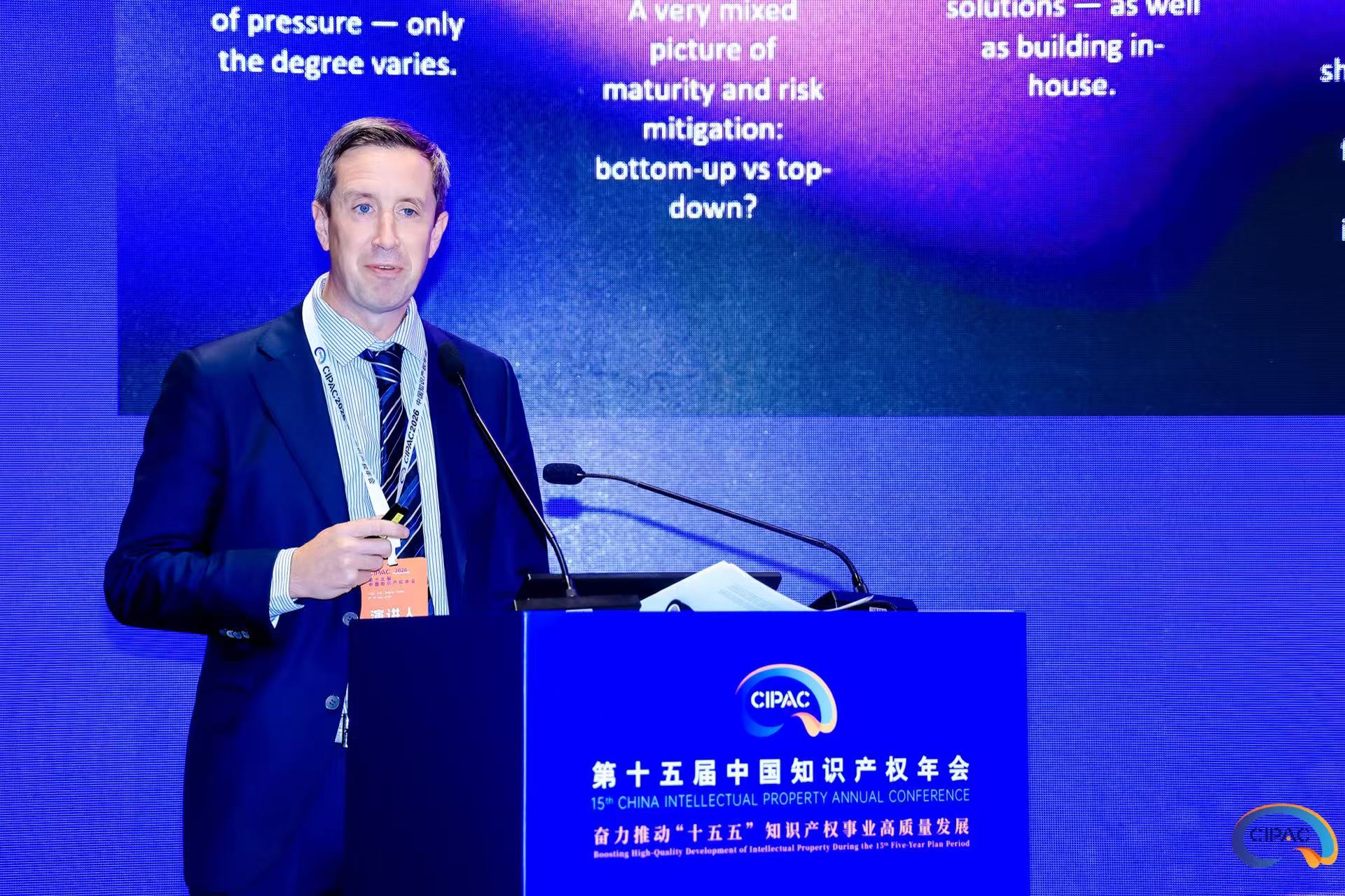
James Lacey
Chief Executive Officer, Protect, RWS Group
According to our surveys of IP professionals worldwide, the three most common applications of AI in the IP field are patent translation, report drafting, and patent database optimization. As AI adoption deepens, however, the industry's focus is shifting beyond speed alone toward efficiency and compliance.
In the age of AI, it is important to recognize the value of what could be called an "accountability premium." This rests on four pillars: keeping accountability with qualified professionals; ensuring that processes are explainable and traceable from end to end; avoiding the fluency fallacy of AI-generated content; and using secure translation memories to reduce costs. AI may be powerful, but it does not carry corresponding professional accountability. Patent applications generated automatically by machines can carry significant risks and may be more likely to be deemed abnormal applications. Clear accountability for ownership is a prerequisite for AI-generated assets to retain and gain market value. If an AI platform generates patent specifications or claims without retaining an auditable record of the process, the resulting application may face a higher risk of rejection. Black-box AI tools should therefore be avoided. Terminological consistency is another critical issue. Patent documents are highly technical, and terminology must remain consistent throughout the claims. There is also a risk of what might be described as "deflationary assets." When companies use third-party AI platforms for patent translation, operating costs can rise in line with the volume of words translated. Patent translations that have been professionally reviewed, validated and securely stored in a translation memory are far more likely to retain their value and serve as durable assets.
In short, AI is a powerful tool for advancing the IP industry. But preserving human accountability and maintaining a prudent approach remain fundamental principles of innovation.