From the camel caravans of the ancient Silk Road to the bustling Maritime Silk Road, trade routes across mountains and seas carried Chinese treasures such as tea and porcelain to the world. Today, iconic Silk Road treasures including Anxi Tie Guan Yin, Jingdezhen Porcelain and Hanzhong Xianhao Tea are gaining fresh vitality under the protection of geographical indications (GIs). In Quanzhou of Fujian Province, Jingdezhen of Jiangxi Province and Hanzhong of Shaanxi Province, immersive GI-themed travel routes invite visitors to explore local traditions, experience living heritage and rediscover the enduring charm of the Silk Road. The journey is about to begin — let's set off together!
I. A Maritime Silk Road tea journey
Quanzhou, Fujian Province
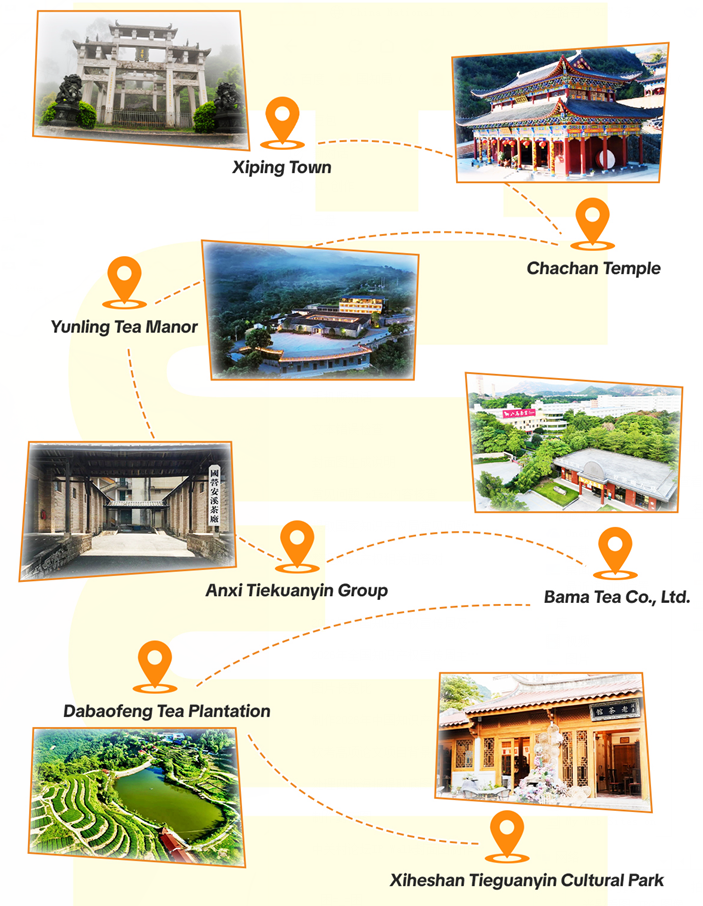
Following the fragrance of tea to Anxi County, you will discover the enduring charm of Anxi Tie Guan Yin, a renowned Chinese GI product. Our journey begins in Xiping Town, the core tea-producing area. Here, you can sit beneath the legendary Tie Guan Yin "mother tree" and hear stories about the tea's origins. A visit to Chachan Temple offers a chance to experience the connection between tea culture and Chan philosophy, while an overnight stay at Yunling Tea Manor allows you to enjoy freshly brewed tea and tea-infused desserts. In just one day, you can discover both the history and modern life of this celebrated tea. To explore the modern tea industry, a visit to Anxi Tiekuanyin Group and Bama Tea Co., Ltd. is a must. You can explore vintage tea-processing workshops and industrial heritage sites while also learning about smart tea manufacturing and digital storage systems. At Dabaofeng Tea Plantation, you can take part in hands-on tea making under the guidance of masters of traditional intangible cultural heritage (ICH) tea-processing techniques. Before leaving, a stroll through Xiheshan Tieguanyin Cultural Park offers a deeper understanding of the spirit of Chinese tea culture — purity, elegance, courtesy and harmony.
GI: Anxi Tie Guan Yin
Anxi Tie Guan Yin, one of China's top ten famous teas, is a major export along the Maritime Silk Road thanks to its unique aroma and taste. Today, the Anxi Tie Guan Yin industry has generated an annual output value exceeding 40 billion yuan, making it one of Fujian's most iconic GI brands.
II. An art journey in the millennium-old porcelain capital
Jingdezhen, Jiangxi Province
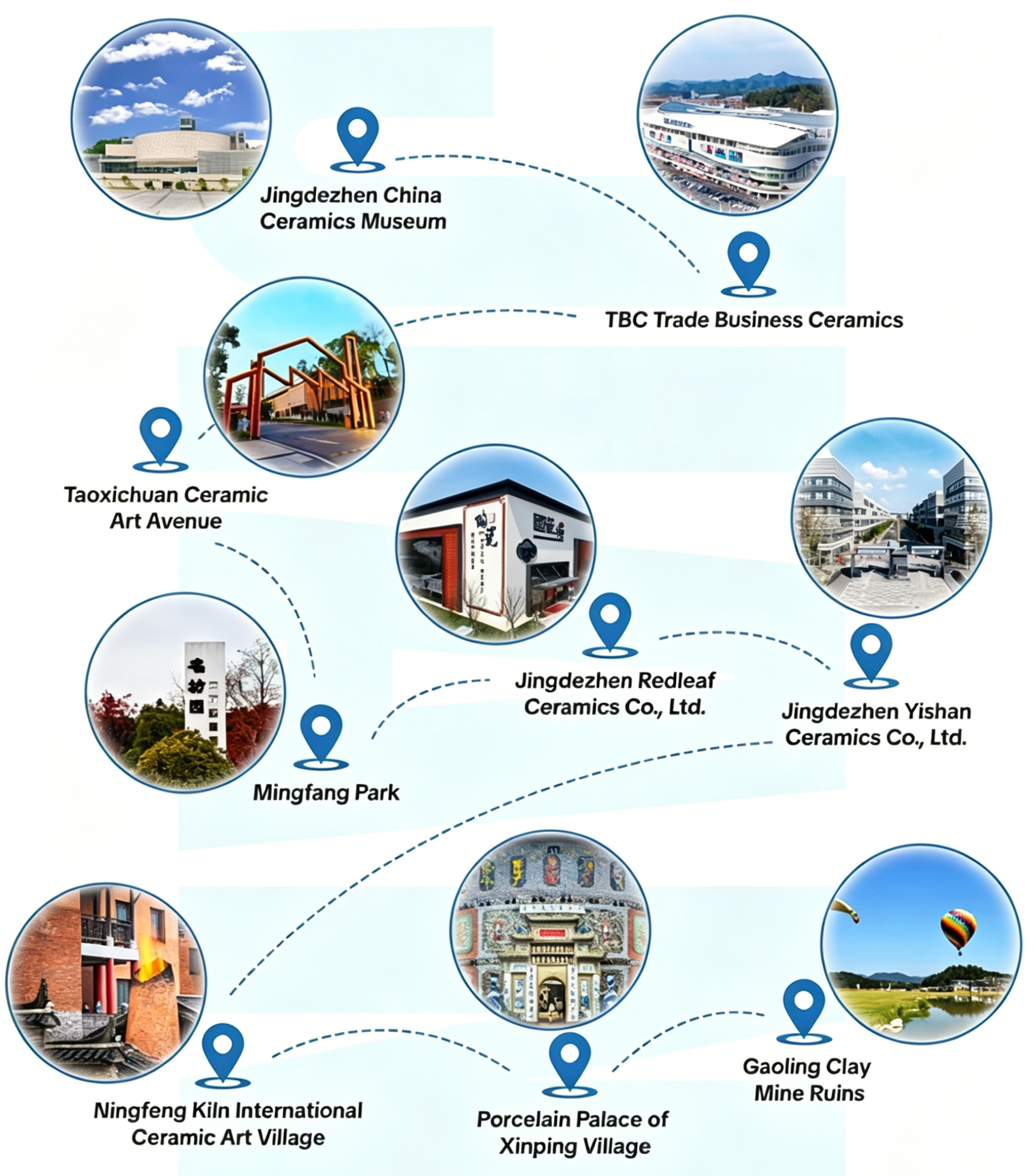
When you think of Jingdezhen, one phrase immediately comes to mind — "Millennium Porcelain Capital." Our journey begins at Jingdezhen China Ceramics Museum, where hundreds of thousands of ceramic treasures tell the story of how Jingdezhen Porcelain traveled across the Maritime Silk Road and won worldwide admiration. The next stop is TBC Trade Business Ceramics, an international ceramic marketplace that showcases the city's commercial vitality. As night falls, Taoxichuan Ceramic Art Avenue comes alive, where young artists known as "Jingpiao," who have moved to Jingdezhen to pursue ceramic art, are redefining ceramic culture through contemporary design. No trip to Jingdezhen is complete without getting your hands dirty. You can watch the full porcelain-making process at Mingfang Park. At Ningfeng Kiln International Ceramic Art Village, you can create your own ceramic pieces and experience the transformation of clay into art. Those looking for souvenirs can choose from elegant traditional porcelain by Jingdezhen Redleaf Ceramics Co., Ltd. or innovative 3D-printed ceramic works from Jingdezhen Yishan Ceramics Co., Ltd. Beyond food and shopping, a visit to the Porcelain Palace of Xinping Village and the Gaoling Clay Mine Ruins offers a glimpse into the timeless beauty of Jingdezhen Porcelain and the enduring legacy of kilns that have burned for over a thousand years.
GI: Jingdezhen Porcelain
Jingdezhen Porcelain is famous worldwide for being "white as jade, bright as a mirror, thin as paper, resonant like chimes." With its rich glaze colors and exceptional quality, it has long been a best-selling product in international trade. In recent years, Jingdezhen has strengthened the development of its GI porcelain industry through legal protection, improved standards, regulated management and innovation-driven initiatives.
III. A tea journey through an ancient town
Hanzhong, Shaanxi Province
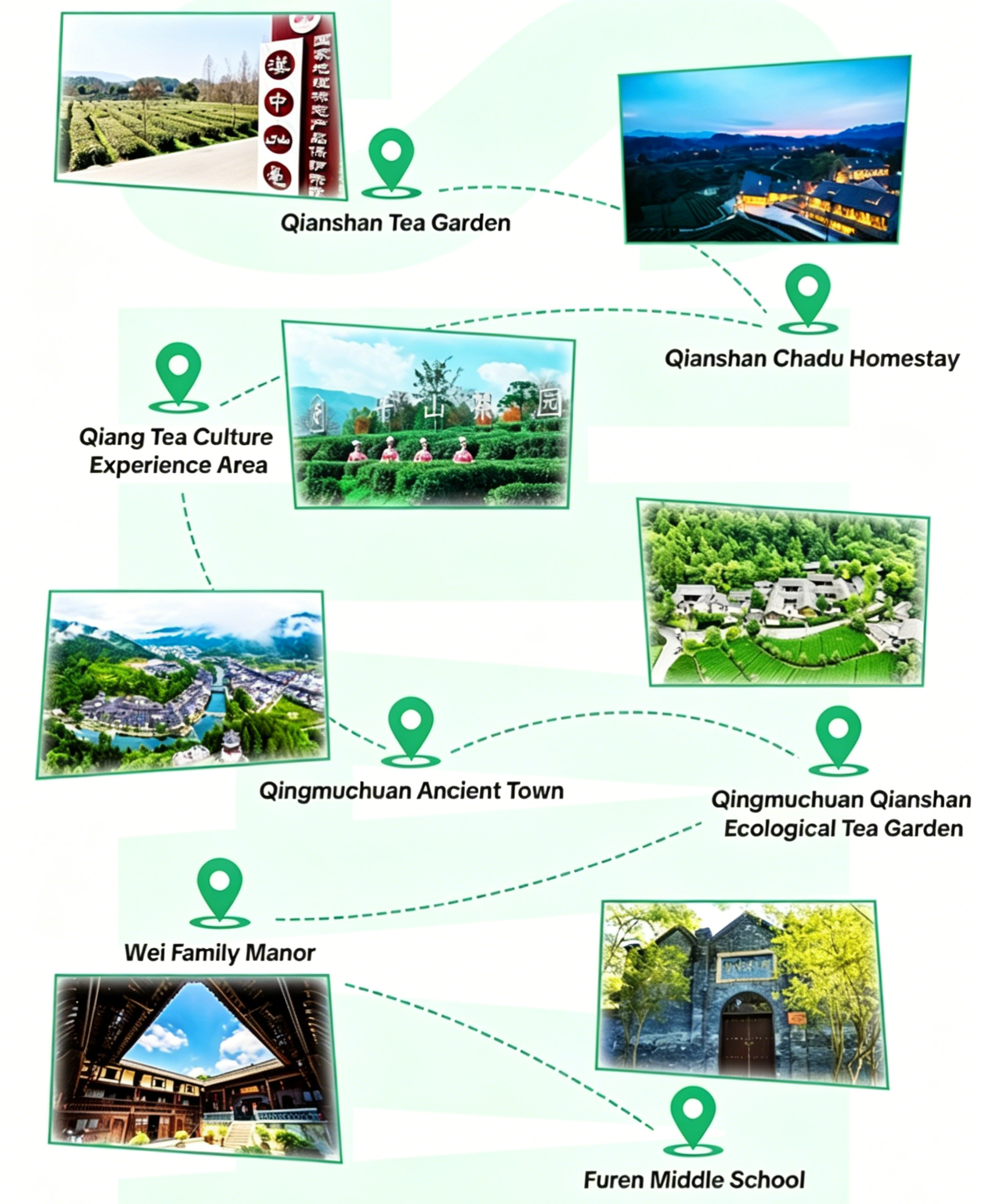
Between the Qinling Mountains and Bashan Mountains lies a hidden tea paradise wrapped in mist and clouds. Hanzhong is the perfect place for travelers seeking a slower pace of life. When strolling through Qianshan Tea Garden, the core production area of the GI product Hanzhong Xianhao Tea, you can admire endless tea fields stretching across the hillsides. You can then stay at Qianshan Chadu Homestay to enjoy local Qiang-style tea cuisine and get immersed in the Qiang Tea Culture Experience Area, where tea traditions blend with ethnic culture. Along the way, you can also learn traditional tea-making techniques such as withering and pan-firing from ICH masters. The journey continues to Qingmuchuan Ancient Town. Here, you can explore attractions including the Qingmuchuan Qianshan Ecological Tea Garden, Wei Family Manor and Furen Middle School, while discovering stories of tea merchants who prospered through the tea trade and helped build the town and promote education. Don't forget to bring home authentic Hanzhong Xianhao Tea as a gift for friends. Among tea hills and ancient streets, Hanzhong Xianhao Tea is a living memory of Qinling-Bashan culture and the enduring legacy of the Silk Road.
GI: Hanzhong Xianhao Tea
Hanzhong's unique geography gives Hanzhong Xianhao Tea a rich aroma, mellow taste, elegant shape and long-lasting flavor, while also providing the tea with abundant trace elements. Since the establishment of the National GI Protection Demonstration Zone, the tea brand's value has risen to 9.052 billion yuan, making it a key industry driving rural revitalization.